
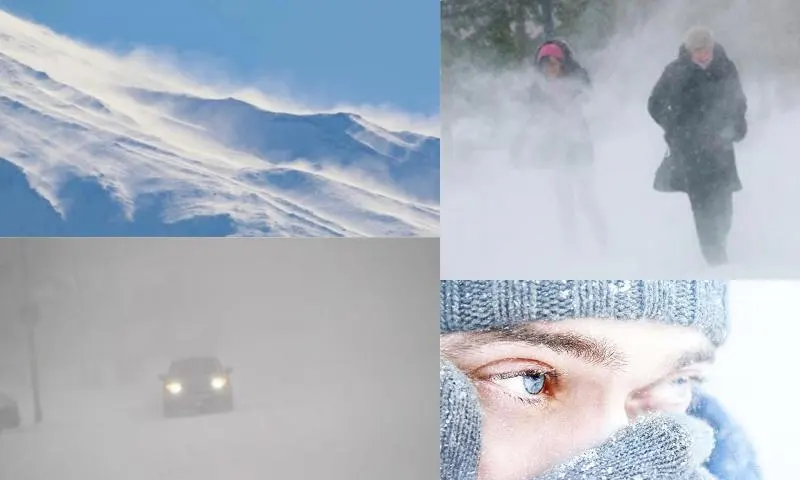
What is a blizzard and how does it form?
A blizzard is a natural phenomenon where strong winds combine with heavy snowfall, significantly reducing visibility and making weather conditions harsh. During a blizzard, snowflakes are swept horizontally, lifted from the ground by the wind, and mixed back into the air. This includes both newly fallen snow and snow that has previously fallen. Blizzards occur during periods of heavy snowfall, typically with winds exceeding 35 km/h. Blizzards make it difficult to navigate in open areas, increase the risk of freezing, and make transportation nearly impossible. This phenomenon is more common in mountainous regions, at high altitudes, and in areas with a continental climate. Furthermore, blizzards pose a significant danger to hikers and mountaineers as visibility can be reduced to just a few meters. You can look at relevant online firms on internet pages for information and to ask your questions, and review details from there.
Difference Between a Blizzard and a Snowstorm
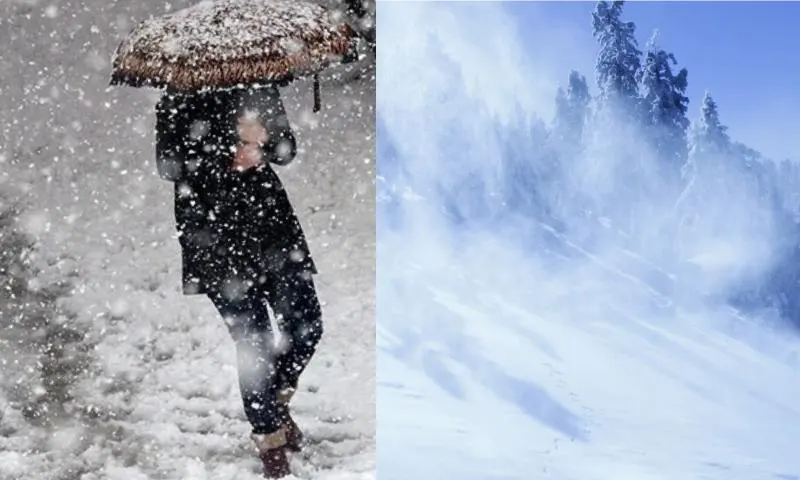
Although blizzards and snowstorms are often perceived as the same thing by the public, there is a meteorological difference between these two terms. A snowstorm is a broader event that combines snowfall, strong winds, and sub-zero temperatures. A blizzard, on the other hand, is defined as a short-lived but intense version of this condition, where visibility drops below 200 meters. During a blizzard, snowflakes are virtually blown around by the wind, reducing visibility to almost zero. A snowstorm, however, is a system that lasts longer and affects larger areas. Therefore, a blizzard can be part of a snowstorm, but not every snowstorm is a blizzard. Making this distinction is important for risk analysis, especially in travel planning and outdoor activities.
Precautions to Take Against Blizzards
It is vital to carefully monitor weather reports before a blizzard. Especially those living in rural areas or planning intercity travel should act according to the warnings. If there is a risk of a blizzard, not going out and staying away from open areas are the best protective measures. If driving, the vehicle's tires should be winter tires, chains should be carried, and the fuel level should not be less than half. If caught in a blizzard outdoors, it is necessary to reach a closed space as soon as possible. If you remain in an open area, it may be safer to stay put, wait for help, and share your location via mobile phone if possible, as navigation can become difficult. Wearing layered, waterproof clothing also reduces the risk of hypothermia. Hands, feet, and face should be particularly well protected, as freezing first begins in these areas.