Creating Geometric Focal Points in Interiors with Fireplace Architecture
The Rise of Eco-Friendly Bioethanol Technology in the Fireplace Industry
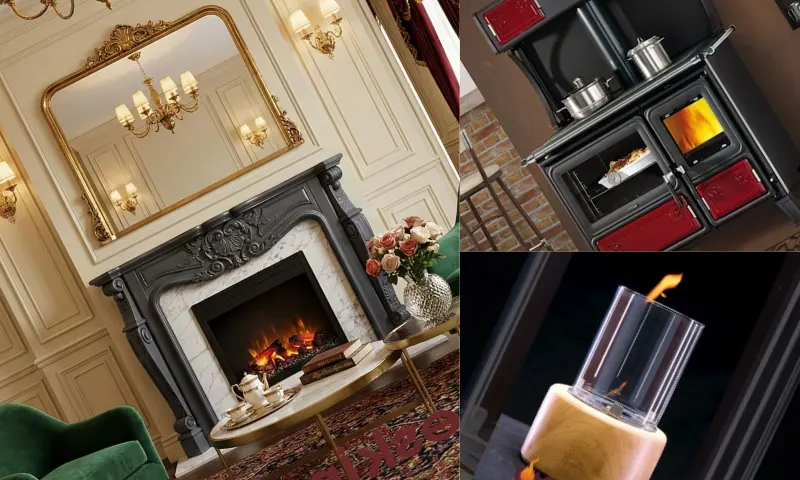
Creating a visual hierarchy in interior design and shaping furniture placement around a balanced center directly affects the aesthetic perception of a room. Fireplace designs have moved beyond being mere objects positioned on walls in contemporary architecture, transforming into geometric focal points that serve as functional dividers in living spaces. Particularly, units with three-sided glass or linear models suspended from the ceiling act as aesthetic separators, dividing the kitchen and living areas in open-plan homes. Exterior cladding materials such as marble, raw concrete, aged metal, or natural stone sharply accentuate the overall design language of the home (industrial, minimalist, or avant-garde). To closely observe innovative concepts that offer a visual feast and enhance the prestige of architectural projects, you can visit https://eskimosomine.com/ and create a luxurious ambiance in your home with visionary designs. A well-chosen exterior cladding continues to be displayed like a colossal work of art in your living room, even during the summer months when the unit is not in use.
Choosing the Right Type of Wood and Storage Rules for Fireplace Use
Sustainable environmental policies and structural limitations imposed by urban living have necessitated the use of alternative energy sources. Bioethanol systems, which bring the pleasure of a fireplace to apartment dwellings without causing pollution, operate with liquid fuels derived from the distillation of plant waste. This technology, which achieves completely smokeless, odorless, and ash-free combustion, requires no chimney infrastructure, granting architects the flexibility to design freely. It is an excellent alternative for those who wish to experience the comfort of a real flame without harming nature. The quality of the fuel is the most strategic element that directly determines the efficiency you will get from the system and the overall lifespan of the device. Instead of softwoods with high resin content such as pine, poplar, or willow, hardwoods like oak, hornbeam, or beech, which burn slowly and emit high calories, should be preferred in the fireplace. Resinous woods quickly lead to creosote buildup in the chimney, posing a fire risk. Additionally, stacking firewood in protected areas off the ground, with air circulation and protection from moisture, will improve burning quality.