
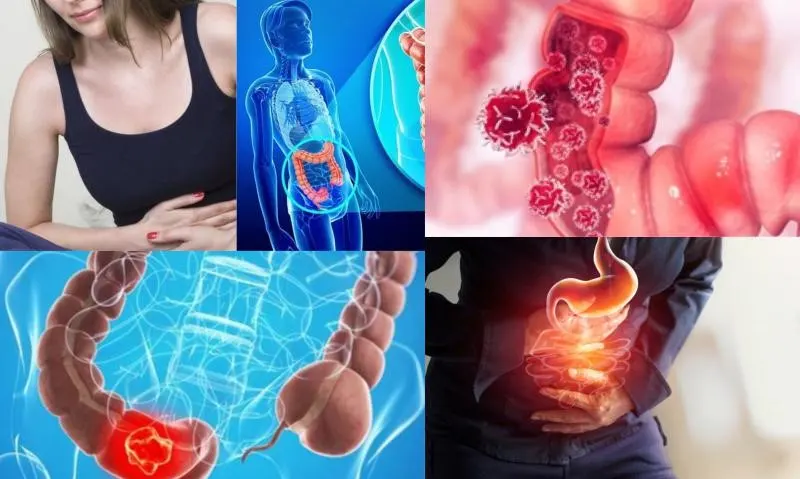
Stomach Cancer and Stomach Diseases
Methods Applied in Stomach Surgeries
The stomach is one of the most important and special organs in the body. In the last 20 years, treatment methods for all stomach diseases have developed significantly. Therefore, the success rate for all stomach ailments, including stomach cancers, is high. This organ, which renews itself, can continue to function even if a part of it is removed. Advances in medicine and the continuous renewal of technological devices are increasing the success rates in treatments. Different stomach surgery methods can be applied for many stomach diseases. It is extremely important not to miss the early stage in stomach cancers. You can contact us at [website address] for high success in all your stomach diseases and cancer types. In stomach cancers diagnosed before they spread to the lymph nodes, 100% success is achieved in treatments.
Symptoms of Stomach Cancer
Laparoscopy, the most advanced method in surgeries, has started to be used quite frequently. Pre-operative tests indicate the shape and method of the surgery. Open surgeries can also be applied in these types of cancers. In surgeries, it is necessary to clear not only the stomach but also the areas to which the cancer may spread. In stomach cancer, approximately two-thirds of the stomach is removed depending on the spread. In some patients, the entire stomach needs to be removed. Laparoscopic and robotic methods are quite successful in such surgeries. In benign tumors, only the tumor is removed without touching the stomach. Esophageal and esophagus cancers are also among the frequently seen stomach cancers. Different treatment methods are applied according to the location of the cancer. The process, which initially begins with loss of appetite and abdominal pain, changes in the form and severity of symptoms as the stages progress. Nausea turns into vomiting crises, while difficulty swallowing and excessive weight loss begin. These symptoms may also be indicative of cancer in other organs. If there is a history of cancer in your family, you should definitely see a specialist and have the necessary tests and check-ups done.