

The Origins and Development of Calligraphy
Calligraphy can be defined as the aesthetic writing and embellishment of Arabic letters. Calligraphy, which holds an important place in Islamic culture, first began with the writing and reading of the Quran. Over time, calligraphy became an important art form in Islamic civilization and developed in different styles. One of the most important features of calligraphy is the aesthetic arrangement and embellishment of words and letters. In Islamic civilization, calligraphy began to develop in the 8th and 9th centuries during the Abbasid period. During this period, the Abbasids made great efforts to develop Islamic art and aesthetics. Calligraphy also became an important art form during this period. During the Abbasid period, different calligraphy styles emerged, and calligraphy showed great development. For information on this subject and to ask your questions, you can look at the relevant online companies on the internet pages and examine them in detail from here.
Types and Features of Calligraphy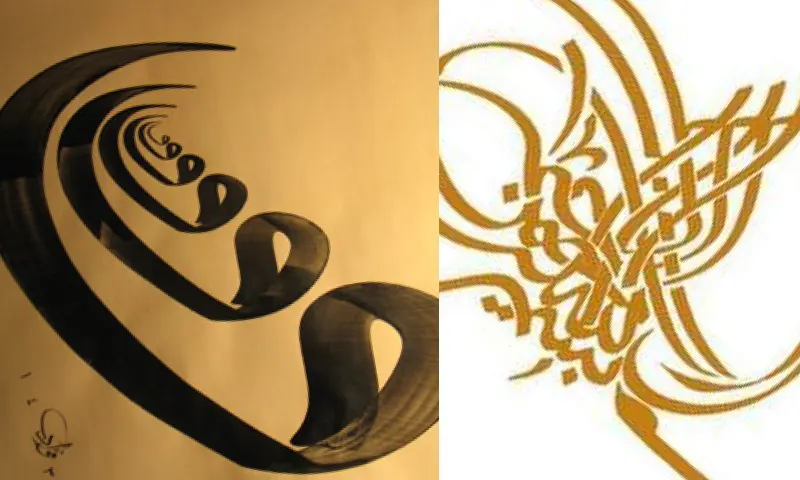
Calligraphy has developed in various styles and forms. Different calligraphy styles such as Kufi, Naskh, Thuluth, Diwani, Rika, and Ta'liq show the diversity of calligraphy. Each style has its own unique features and areas of use. For example, Kufi style is generally a style written with large and rough letters, while Naskh style is a style written with finer and neater letters. Calligraphy can be applied to different surfaces such as paper, glass, stone, and wood, and is embellished using various materials. Calligraphy continues to live as an important art tradition today. Especially in the Islamic world and in countries like Turkey, calligraphy is still widely practiced. Furthermore, interest in calligraphy is increasing in the Western world. Calligraphy, beyond just being an aesthetic art form, also plays an important role in the preservation and transmission of Islamic culture and values. Calligraphy is an important art form where writing and aesthetics meet.
Importance and Effects of Calligraphy
Calligraphy has become an important part of the aesthetic understanding in Islamic culture. The beautiful writing and reading of the Quran is considered an important element of Islamic art. Calligraphy has played an important role not only as an aesthetic art form but also in preserving Islamic culture and values. Calligraphy has been used in many fields, from Islamic architecture to book decorations. It has contributed to the development of Islamic art. Calligraphy represents the combination of writing and aesthetics in Islamic culture. This art form is considered an important part of Islamic civilization and still lives on today as an important art tradition. Calligraphy plays an important role not only in art galleries or museums but also in daily life. Especially in Islamic societies, calligraphy is a part of everyday life. The beautiful writing and embellishment of the Quran is a common practice in mosques, homes, and even on clothing. Calligraphy manifests itself in all areas of life as a part of Islamic culture and identity.