
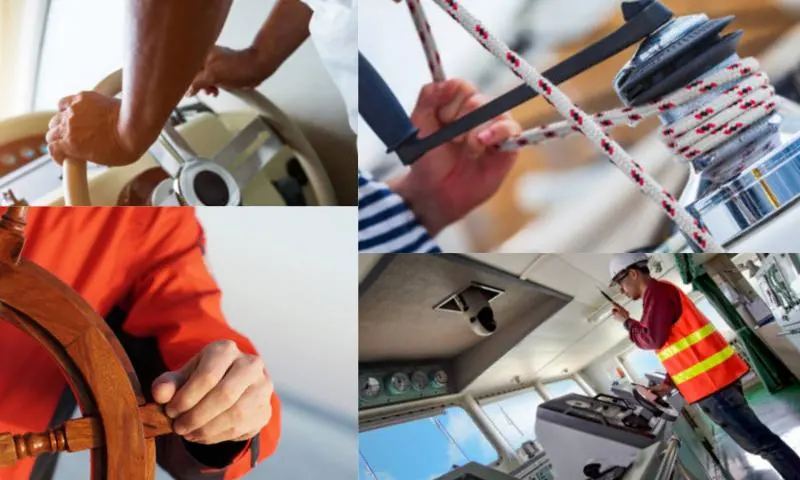
The Importance and Responsibilities of Ship Captaincy
Ship captaincy is a profession that plays a critical role in the maritime world, responsible for the safe and efficient management of the vessel. Ship captains have important duties such as determining the navigation route, creating a safe navigation plan, and coordinating all ship operations. Furthermore, dealing with emergencies, assessing weather conditions, and crew management are among the responsibilities of ship captains. These professionals are obligated to ensure the safety of the ship, crew, and cargo by operating in accordance with maritime standards.
Ship Captaincy Training and Licensing Process
The transition to ship captaincy generally involves a long and rigorous training process. Training, typically received at maritime academies or specialized maritime schools, provides ship captains with a solid foundation in subjects such as basic maritime knowledge, ship management, safety protocols, and crisis management. The licensing process involves aspiring ship captains proving their skills by meeting specific maritime standards and completing certain periods of sea service. After completing these processes, ship captains can obtain their captain's licenses from the relevant maritime authorities.
Technological Advancements and Current Practices in Ship Captaincy
Ship captaincy is a profession that keeps pace with technological advancements. In modern ships, autopilot systems, radars, GPS navigation systems, and other advanced technological equipment assist ship captains in enhancing navigation safety and managing operations more effectively. These technological advancements allow ship captains to make more precise and faster decisions, while also promoting a transformation towards more sustainable and safe practices in the maritime sector.





