
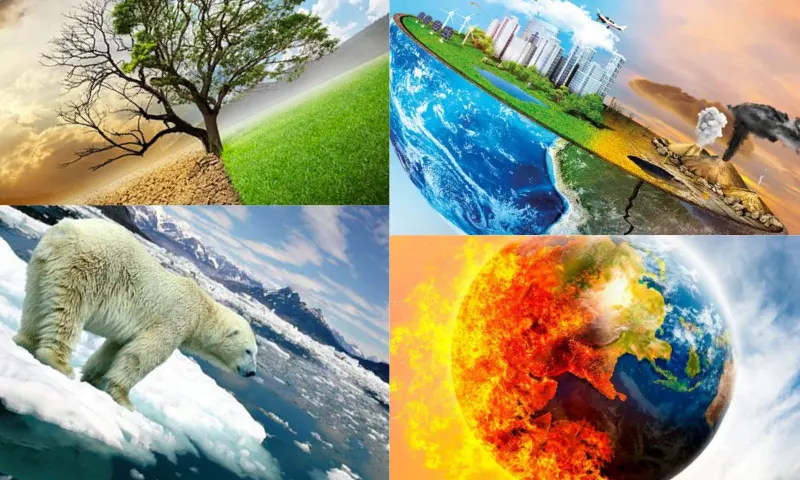
The Basic Causes and Effects of Global Warming
Global warming refers to the increase in world surface temperatures as a result of the rise in greenhouse gases in the atmosphere. The main reason for this increase is greenhouse gas emissions associated with human activities. The burning of fossil fuels, deforestation, and industrial activities lead to the release of greenhouse gases into the atmosphere. This causes the warming of oceans, melting of glaciers, and an increase in extreme weather events. The effects of global warming include rising sea levels, drought, floods, food crises, and loss of biodiversity. To get information on this subject and ask questions you are curious about, you can check the relevant online firms on web pages and examine them in detail from here.
Differences Between Climate Change and Global Warming
Climate change refers to long-term changes that occur as a result of global warming. Climate change can vary regionally; while temperatures may rise in some regions, they may cool in others. Therefore, climate change is not limited to an increase in temperature. Furthermore, climate change can affect water resources, agricultural production, and human health. Global warming is related not only to the increase in average temperature but also to the change in climate patterns.
Prevention of Global Warming and Applicable Solutions
Many solutions are proposed to reduce the negative effects of global warming and stop climate change. First, a transition to sustainable energy sources is necessary to reduce greenhouse gas emissions. Renewable energy can help reduce emissions by decreasing the use of fossil fuels. Protecting forests and afforestation can also reduce the amount of carbon in the atmosphere. In addition, energy efficiency is important, and societies need to be aware. Global cooperation is critical to overcome this problem, as global warming affects everyone and requires a common solution.