
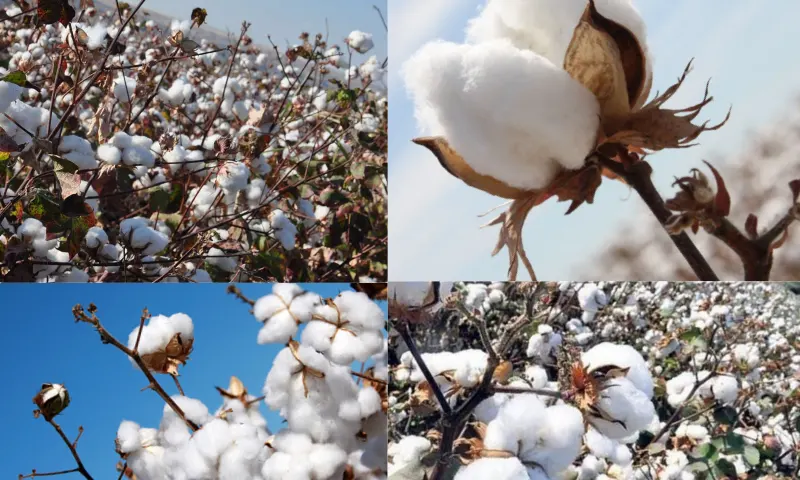
Definition and Global Importance of Cotton Production
Cotton is one of the most widely used natural fibers in the textile and apparel industry. The cotton plant, like many agricultural products, is cultivated over vast areas worldwide. Cotton production holds great significance for the textile industry and the economy. Cotton fiber is preferred in the production of textile products due to its softness and durability. Simultaneously, cotton production is a sector that contributes to the economies of many countries and provides employment for thousands of people. For information on this topic and to ask your questions, you can explore relevant online firms on web pages and conduct a detailed review from there.
Cotton Production Process and Agricultural Techniques
Cotton production involves the cultivation and harvesting of the cotton plant in agricultural fields. The cotton plant requires warm and humid climate conditions and grows in irrigated areas. Cotton planting begins with sowing seeds in the field and ensuring suitable conditions for the plant's growth. As the cotton plant matures, it produces flowers and develops fruit capsules. The cotton fibers within these capsules are collected when harvest time arrives. The harvested cotton is processed to separate the fibers and remove the cotton seeds. Subsequently, the cotton fibers are spun into yarn and used in the production of textile products. Modern agricultural techniques and genetically modified cotton varieties are widely used to increase cotton yields and ensure resistance to diseases and pests. At the same time, sustainable agricultural practices play a significant role in reducing chemical usage and ensuring environmentally friendly cotton production.
Cotton Production and Sustainability
Cotton production can lead to environmental impacts due to the intensive use of water, fertilizers, and chemical pesticides. Especially in regions where traditional farming methods are used, the runoff of agricultural chemicals into water sources and soil can negatively affect ecosystems and reduce biodiversity. Therefore, it is essential to prioritize sustainable agricultural practices in the cotton production process. Sustainable cotton production means using various methods to increase water efficiency, reduce chemical usage, and conserve natural resources. These methods include practices such as organic farming, water management, natural pest control, and maintaining soil health. In conclusion, cotton production is a significant agricultural activity worldwide and an indispensable raw material for the textile industry. However, it is important to pay attention to environmental impacts and adopt sustainable agricultural practices in the cotton production process.