
The History of Opera Art
Opera is an art form that combines music and theater. The first opera was born in 17th-century Italy and began with Claudio Monteverdi's "Orfeo." Opera has evolved in different countries over time, leading to the emergence of various styles. For example, romantic opera developed in Germany, and oratorio-style opera developed in England. Opera adopted different styles during the Baroque, Classical, and Romantic periods, eventually becoming a globally popular art form.
Fundamental Elements in Opera Art
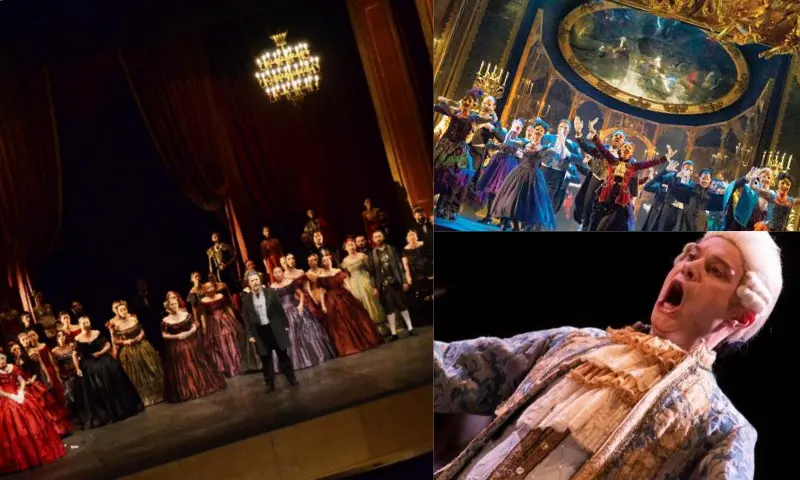
The fundamental elements of opera art include music, theater, stage design, and costume. Operas are typically performed through the collaboration of soloists, choirs, and orchestras. Operas utilize songs, arias, and ensemble scenes. The art of theater shapes the performances on the opera stage. The opera stage is completed with stage design, sets, lighting, and costume design.
Global Popularity of Opera Art
Opera is a globally popular art form. There are many renowned opera houses around the world. These opera houses bring together leading soloists, choirs, and orchestras to stage the most famous works. Opera hosts numerous festivals and competitions worldwide. For instance, significant opera events are organized in different parts of the world, such as the Salzburg Festival in Europe and the Metropolitan Opera Competition in America. Furthermore, opera works are presented in many concerts, radio programs, and recordings globally. In conclusion, opera art is an art form that brings together music, theater, stage design, and costume design. Throughout its history, opera has adopted various styles and has become a globally popular art form. Today, there are many opera houses, festivals, and competitions worldwide, and opera works are presented in concerts, radio programs, and recordings.





