Zeugma Museum
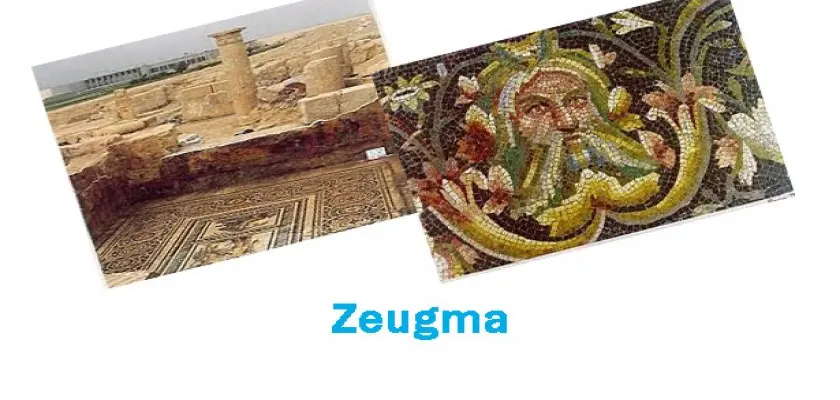
Founded by Alexander the Great in 300 BC, Zeugma stands out as an important example of Anatolian history. Zeugma, meaning "bridge", reached its golden age during the Roman period. It was a major trading center. The city, whose fame grew until the Sasanian attacks, was burned and destroyed, and in the 16th century, it was named "Belkıs". Excavation work has been ongoing in the region since 1987. The risk of the excavation sites being submerged due to the Birecik Dam led to the intensification of excavation work and the removal of the unearthed artifacts to the museum. Zeugma Museum, opened with the significant contributions of Gaziantep Metropolitan Municipality, is progressing towards becoming an open-air museum. Walking through the streets of ancient Zeugma and seeing the old Zeugma houses will soon become a reality.Open-Air Museum
Zeugma Mosaic Museum does not only house mosaics. Within the 30,000 square meter area, there are many units ranging from historical artifacts exhibited outdoors, to the archaeology museum, from mosaics to exhibition and conference halls. The museum, which also utilizes the latest technologies, is a "smart building". When you visit the museum, you can first watch the 3D introductory film prepared for visitors, and then begin by visiting the statue of Athena that greets you. Afterwards, you can view the mosaics known to belong to Roman baths and Poseidon villas, and be mesmerized by the holograms reflected on the floor from the mosaics.